At St Bartholomew’s, punishment had its own rituals.
Lines were written in blue ink and presented without blots. Detention took place on Wednesday and Saturday afternoons. Boys copied passages from Scripture, polished trophies or sat in silence while their friends played cricket.
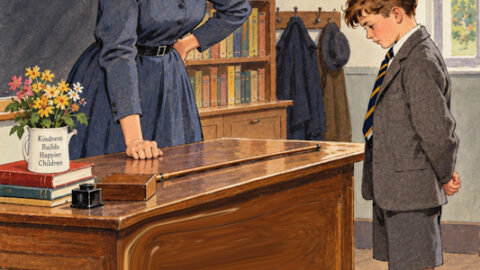
More serious offences were recorded in the Punishment Book.
The book was kept in Miss Cartwright’s study. Each entry included the boy’s name, his offence, the punishment given and the signature of the teacher who witnessed it.
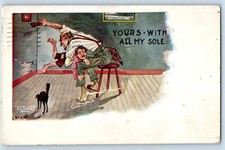
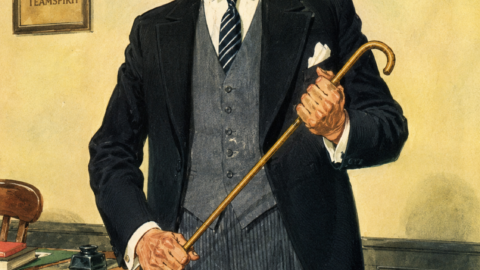
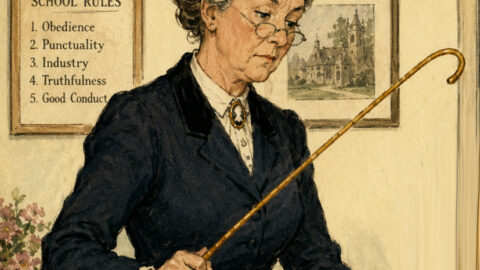
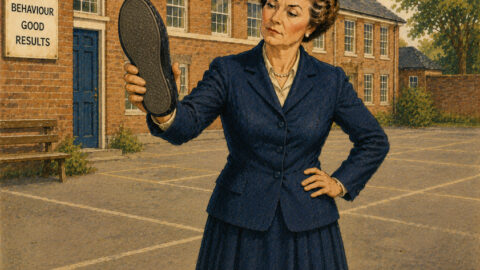
The cane was used for lying, stealing, bullying, deliberate disobedience, smoking and repeated misconduct. The slipper was used more freely for classroom disruption, dormitory misbehaviour and minor insolence.
No boy was supposed to receive more than six strokes in one day.
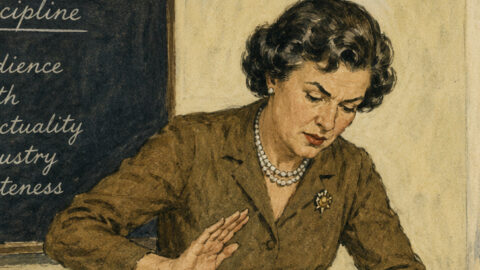
Teachers were instructed never to punish in anger. In theory, a boy was told why he was being punished and allowed to offer an explanation. In practice, explanations had to be exceedingly convincing.
Public punishments were uncommon but memorable.
A boy caught smoking behind the chapel was once required to stand before the school while Miss Cartwright described his offence.
“You have endangered yourself, broken school rules and deceived your housemistress. You will receive six strokes after assembly and spend the remainder of the week in detention.”
The cane was not administered on the platform, but the whole school knew when it happened.
The boy returned to lessons pale but composed. Among his friends, this composure restored a measure of dignity.
To cry was understandable.
To boast afterwards was expected.
To claim that the cane had not hurt at all was almost compulsory.