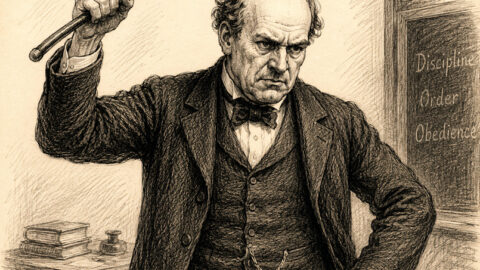
Mrs Margaret Henshaw commanded the playing fields. A former county hockey player, she taught cricket, rugby, athletics and physical training with the conviction that games revealed a boy’s true character.
Rain was not considered a reason to cancel sport. Snow required discussion. Only lightning brought the boys indoors.
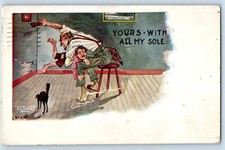
Mrs Henshaw carried a whistle, a stopwatch and, during indoor physical training, a white canvas plimsoll.
She despised cheating, laziness and poor sportsmanship.
A boy who deliberately tripped an opponent might be removed from the field and ordered to wait beside the pavilion. After the match, he could expect a private interview.
“Winning is admirable, Fletcher. Winning dishonourably is contemptible.”
The plimsoll was usually reserved for misbehaviour in the gymnasium: swinging from ropes without permission, pushing in the changing room or mocking a weaker boy.
Mrs Henshaw’s punishments were swift and businesslike.
“Touch your toes.”
Several sharp smacks followed.
“Stand up. Apologise to Evans.”
“Yes, Ma’am. Sorry, Evans.”
“Good. Now get changed.”
She had little patience for tears but no tolerance at all for bullying. Older boys who tormented juniors could find themselves standing outside Miss Cartwright’s study with a formal note recommending the cane.
Many pupils later admitted that Mrs Henshaw taught them courage and loyalty. At the time, however, they regarded the sight of her striding across the field with whistle in hand as an excellent reason to run faster.