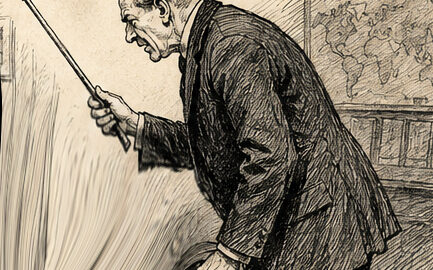
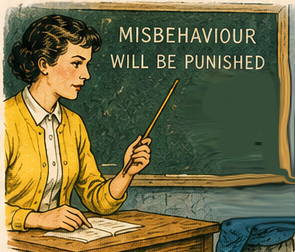
There was a time in many American schools when a wooden paddle was as much a part of the principal’s office as the flag in the classroom. During the 1970s, corporal punishment remained an accepted form of discipline across much of the United States, viewed by many parents and educators as a practical way to maintain order, even as others questioned its place in modern education.
One former student recalls an incident from those years that has never entirely faded from memory.
“It happened decades ago, yet I can still picture the classroom, the quiet that followed, and the unmistakable presence of the paddle resting in the teacher’s desk drawer. It was simply part of school life then—a symbol of authority that everyone understood.”
After basketball practice one afternoon, curiosity led the student back to the classroom. The paddle remained where it had always been, tucked away in its familiar drawer. Picking it up for only a moment, the student reflected on how such an ordinary piece of polished wood had carried such weight in the minds of teenagers. It represented rules, consequences, and the expectations of another era.
Years later, at a high school reunion, former classmates found themselves reminiscing about those school days. Among them was Lisa Haynes, who eventually agreed to talk about an experience she had rarely discussed.
She remembered receiving a paddling from Mrs. Preston after repeatedly talking during class despite several warnings. Like many teachers of the period, Mrs. Preston believed that discipline had to be immediate and visible if it was to be effective. Lisa recalled feeling embarrassed more than anything else, especially knowing her classmates were aware of what had happened.
She also remembered another occasion during her junior year when she skipped a seventh-period study hall and was sent to Mr. Gregory’s office, where she again faced the accepted disciplinary practice of the day. Looking back, she described both incidents as unpleasant memories rather than defining moments of her school years.
One classroom episode remained especially memorable. Lisa Haynes and Cindy Doty were carrying on a conversation and passing notes while Mrs. Preston attempted to teach the lesson. Despite repeated reminders to pay attention, the chatter continued until Mrs. Preston finally enforced the classroom rules in the manner commonly accepted in many American schools at the time.
Whether such discipline truly changed behavior is difficult to measure after so many years. Some former students believed the fear of being sent to the office—or facing the paddle—encouraged greater attention in class. Others remembered only the embarrassment, arguing that better methods of classroom management eventually replaced physical punishment.
The broader effect on the classroom was equally open to interpretation. Supporters of corporal punishment believed that a visible consequence reminded the entire class to respect the teacher and focus on their studies. Critics, however, questioned whether fear produced genuine learning or merely temporary compliance.
As attitudes toward education evolved through the late twentieth century, many school districts abandoned paddling altogether, replacing it with disciplinary approaches centered on counseling, detention, and restorative practices. What was once considered routine gradually became a subject of debate and, eventually, a chapter in educational history.
Today, memories of the paddle remain part of the story of American schools in the 1970s—a reminder of how dramatically ideas about discipline, authority, and the role of educators have changed over the decades.