The closing years of the 1960s must have been a curious time for parents, teachers and anyone else responsible for keeping youngsters in order.
For generations, British children had generally been expected to respect authority. Father was the head of the household, the headmaster ruled the school, and the local policeman represented law and order in the neighbourhood.
Then, almost suddenly, the younger generation began questioning the whole arrangement.
The Beatles had changed popular music, fashions became brighter and bolder, young people demonstrated against war, and the word “establishment” was increasingly used with suspicion rather than admiration.
To some teenagers, fathers, teachers and policemen became representatives of what was popularly called “The Man”.
One can easily imagine a bewildered father being informed by his teenage daughter that he was being authoritarian, oppressive or hopelessly old-fashioned. Parents who had themselves grown up in the 1930s and 1940s must sometimes have wondered what on earth had happened to the younger generation.
Yet it would be misleading to imagine that every British teenager suddenly became a flower-waving, pot-smoking revolutionary.
I was fourteen at the time of the Woodstock festival in 1969, an event which is now often portrayed as one of the great dividing lines between the old world and the new. Yet the Britain I remember was considerably more ordinary.
Even when I reached the sixth form, I cannot remember knowing anyone who took illegal drugs. Perhaps things were different among university students and young adults, but for many ordinary schoolchildren the so-called Swinging Sixties were rather less swinging than television documentaries sometimes suggest.
At home and at school, traditional discipline remained very much in evidence.
This created an interesting contradiction. Young people were being encouraged by popular culture to express themselves and challenge convention, while many schools continued operating according to rules which would have been perfectly familiar twenty or thirty years earlier.
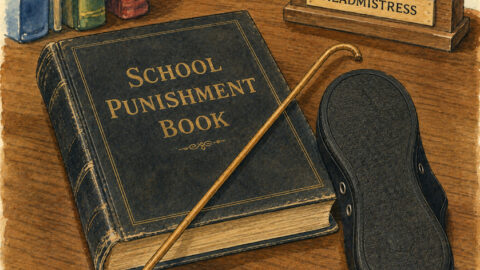
Corporal punishment remained part of that system.
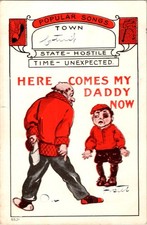
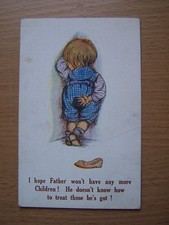
The slipper and cane had not vanished simply because young people were listening to psychedelic music.
Nevertheless, attitudes were beginning to change. The question was no longer simply whether children should obey adults, but how adults should exercise authority over a generation increasingly prepared to ask:
“Why?”