Ask a group of adults about their schooldays and it soon becomes obvious that there was never one universal British system of discipline.
Even neighbouring schools could be completely different.
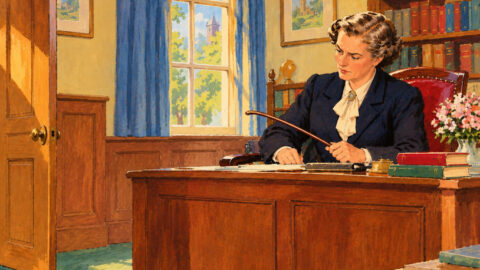
At one school, the cane might be an everyday possibility.
At another it was reserved for serious offences.
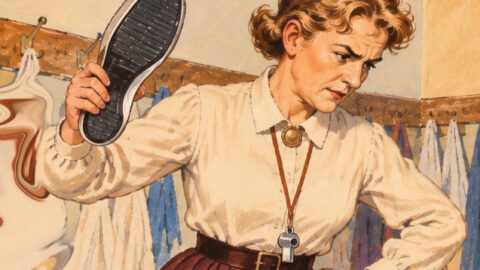
Elsewhere the slipper was preferred.
Some teachers used a ruler.
Others relied almost entirely upon detention, lines, standing outside the classroom or being sent to the headteacher.
And much depended upon the decade.
A child entering school in the 1950s could experience a very different disciplinary world from a pupil attending the same building thirty years later.
What remained remarkably consistent was the importance of reputation.
Children knew which teachers were strict.
They knew which teachers shouted.
They knew who gave endless lines and who sent pupils straight to the head.
And, where corporal punishment existed, they certainly knew which members of staff administered it.
Such information travelled through a school faster than any official notice.
Long before a new pupil had learnt the geography of the building, somebody had usually explained which teachers were best avoided.