Ask former pupils about school discipline and one thing quickly becomes apparent: there was very little consistency.
One teacher might give lines.
Another might issue detention.
Another might send a pupil to the headteacher.
And another might reach immediately for the slipper.
Some teachers dealt with matters during the lesson, while others deliberately postponed punishment until break time or the end of the school day.
For the pupil involved, the waiting could sometimes be almost as unpleasant as the punishment itself.
There were also considerable differences between schools.
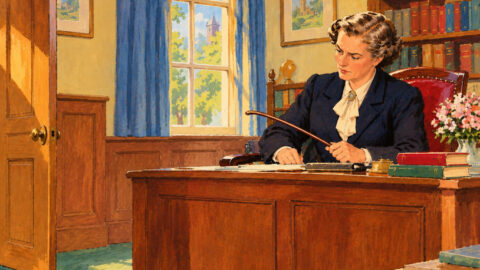
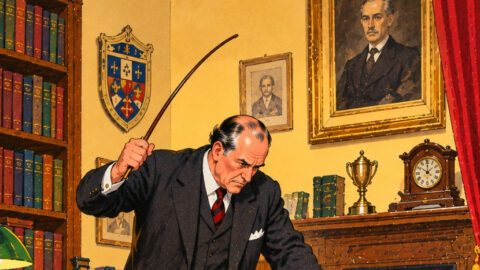
At some establishments corporal punishment took place openly in the classroom. At others it was considered a private matter and was dealt with in the headteacher’s study or another room.
Boarding schools developed their own traditions.
One former pupil who attended a preparatory school in the Home Counties during the 1950s remembers an entire dormitory sometimes being punished when nobody would admit responsibility for misbehaviour after lights-out.
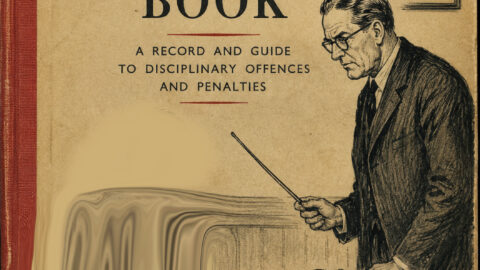
Another remembered a formal demerit system. Collect too many marks during the week and your name appeared on the headmaster’s list.
There was something remarkably organised about it all.
Rules were written down. Punishments were understood. Teachers administered them with an authority that few pupils would have dreamed of openly challenging.
Whether that produced better discipline is another question entirely.