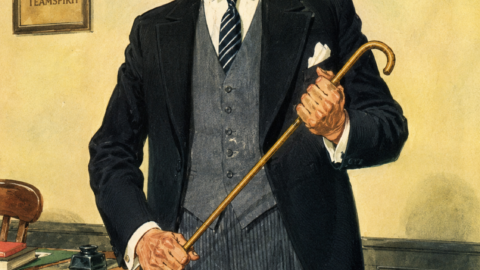
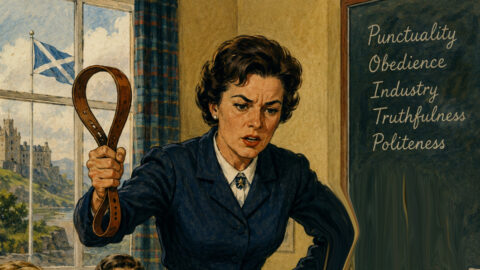
The principle behind the prefect system was simple enough. A school was regarded as a community in which its senior members were expected to accept responsibility for the conduct of the younger ones.
Prefects were normally chosen personally by the Headmaster and were often boys in the upper sixth who had distinguished themselves academically, on the sports field, or through qualities of character and leadership.
Their powers varied enormously.
At one school a prefect might do little more than supervise a corridor or report a troublesome boy to a master. At another he might impose lines or detention. In a smaller number of schools, prefects possessed considerably greater disciplinary authority.
Such arrangements were not regarded as particularly extraordinary at the time. They formed part of a long-established philosophy that boys should gradually learn to govern themselves.