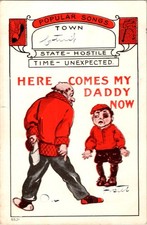
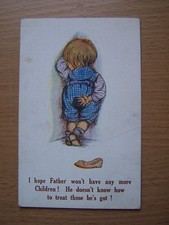
There can be few British adults who passed through school in the first half of this century without possessing at least some acquaintance with corporal punishment.
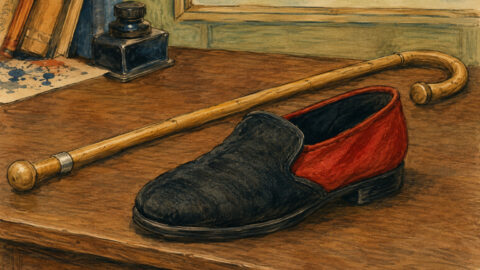
For some it amounted to little more than a sharp smack in the infant school or an occasional encounter with the slipper. For others, particularly at grammar, secondary and public schools, the punishment might take the more formal shape of the cane or strap.
Such practices have generally been defended upon straightforward grounds. A boy broke the rules; he was punished; the matter was considered finished.
But was it always finished?
Accounts from former pupils suggest that, in certain cases at least, the experience remained remarkably vivid many years afterwards.
Some remember chiefly the pain. Others recall the apprehension beforehand, the walk to the headmaster’s study, the embarrassment of being singled out, or the knowledge that one’s classmates were waiting to hear what had happened.
A smaller number say that the experience appears to have influenced their later attitudes towards punishment and authority in ways which they could not have understood at the time.