The dormitories occupied the upper floor of the old building. Each contained two long rows of iron beds, narrow lockers and a washroom in which the water was seldom warm.
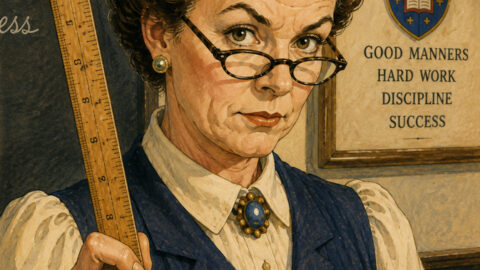
The senior matron, Miss Elsie Harcourt, ruled this territory.
Miss Harcourt had served as an army nurse during the war. She could make a bed with corners sharp enough to cut paper and considered complaints about cold water evidence of moral weakness.
Lights-out was at eight-thirty for juniors and nine o’clock for seniors. Talking afterwards was forbidden.
For half an hour after lights-out, Miss Harcourt patrolled the passages in rubber-soled shoes. The boys listened for the faint jingle of keys at her waist.
A whisper might earn a warning.
A second offence meant standing in the corridor.
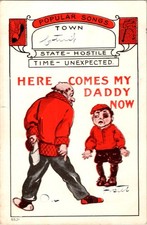
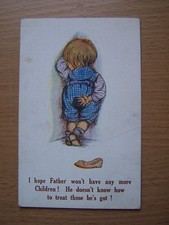
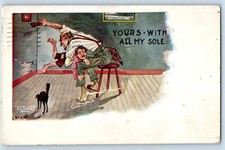
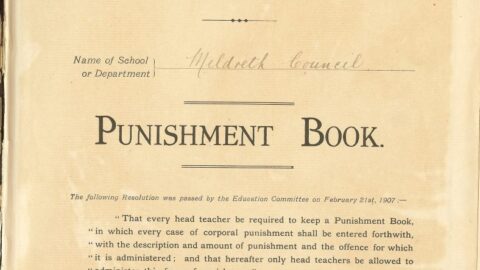
A pillow fight, midnight feast or unauthorised expedition to another dormitory usually resulted in the slipper.
The punishment was administered in the matron’s room, sometimes with the culprits still in their pyjamas.
“Six each,” Miss Harcourt would announce, “and perhaps tomorrow night you will remember that beds are provided for sleeping.”
The boys dreaded the slipper but feared public humiliation more. To be caught by Miss Harcourt and escorted down the corridor while other dormitories watched from beneath their blankets was considered disastrous.
Yet she was also the person to whom boys went when they were ill, frightened or homesick. She sat beside feverish pupils through the night and wrote regularly to anxious mothers.
Her philosophy was simple:
“A boy must know that he is cared for. He must also know where the boundaries are.”