Perhaps the most striking feature of the affair was not simply that corporal punishment was available.
It was that seventeen pupils apparently chose it.
For British readers accustomed to thinking of corporal punishment as something from an earlier age, this might appear almost impossible to understand.
Why would a seventeen- or eighteen-year-old willingly choose such a punishment?
The answer may have been surprisingly practical.
The alternative was suspension.
For pupils approaching graduation, suspension could interfere with lessons, school activities and the closing weeks of their final year. A physical punishment, however unpleasant or embarrassing, was quickly finished.
This produced one of the most interesting arguments surrounding corporal punishment generally.
A punishment does not necessarily have to be the one a pupil fears most to be effective. Given a choice, some pupils may select the punishment that causes the greatest immediate discomfort simply because it produces the least disruption afterwards.
The same phenomenon was sometimes reported in British schools.
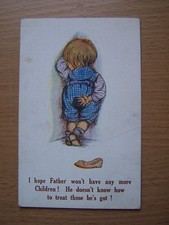
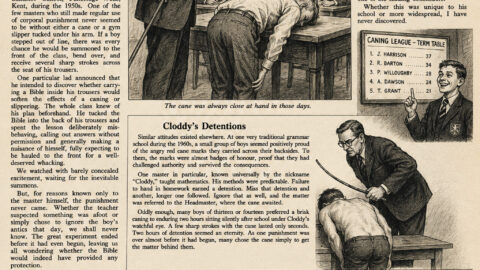
A pupil offered detention or a few strokes of the slipper might prefer the slipper because he could receive his punishment and immediately return to ordinary school life.
Another pupil would regard the idea with horror and happily spend an hour in detention instead.
Punishment, like pain itself, was remarkably personal.