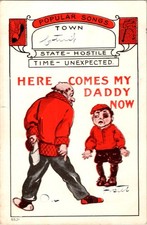
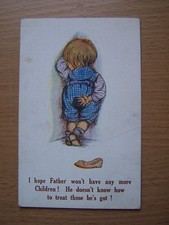
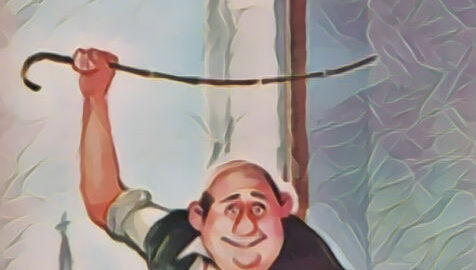
For millions of British children growing up after the Second World War, comics were an essential part of childhood. Every week, titles such as The Beano, The Dandy, Buster, Whizzer and Chips, and many others entertained readers with mischievous schoolboys, eccentric teachers, and endless playground adventures. While many stories were wildly exaggerated for comic effect, they also reflected the everyday experiences of the children who eagerly read them.
One of those experiences was school corporal punishment.
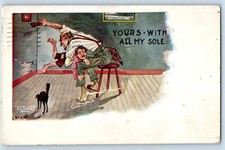
Canings, slipperings, lines, detentions, and trips to the headteacher’s office appeared regularly in comic strips. The naughty pupil inevitably found himself on the receiving end of a cane or slipper, usually after some spectacular prank had gone wrong. These scenes were rarely portrayed as frightening or traumatic. Instead, they were presented with humour, suggesting that, for many children of the time, this was simply another part of everyday school life.
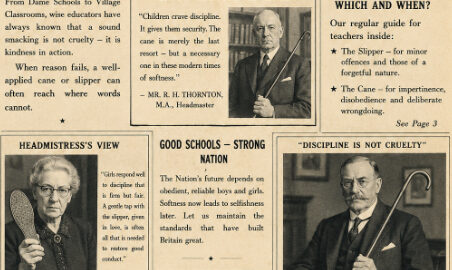
Looking back today, these comics provide an intriguing snapshot of changing social attitudes. They raise an interesting question: if the average child had been deeply traumatised by corporal punishment, would publishers have featured it so frequently in comics aimed at entertaining young readers? It seems unlikely. Whether deserved or not, corporal punishment was generally regarded as part of the educational culture of the period, and the comics reflected that reality.
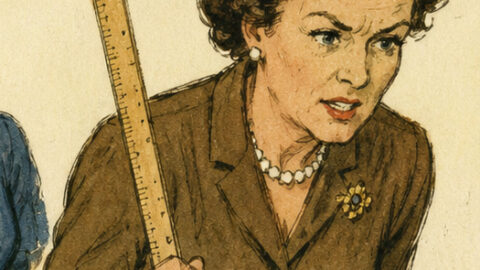
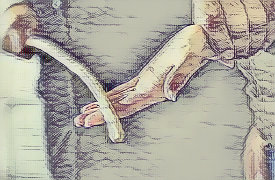
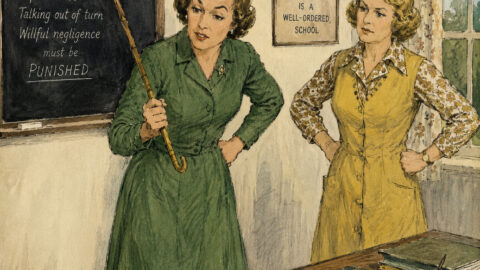
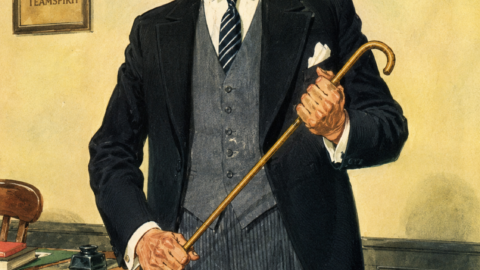
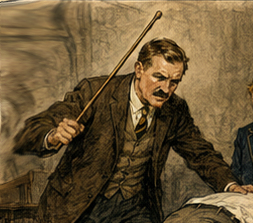
The illustrations themselves also captured the classic image of the traditional British school. Teachers were frequently shown wearing gowns and mortarboards while carrying a cane, even when many real schools had already begun to abandon those customs. Although not always historically accurate, these instantly recognisable images became part of Britain’s cultural memory and remain closely associated with the era.
Over the years, I have collected a large number of these comic strips and illustrations. They were originally intended to appear in my book, but as that is no longer possible, I’d like to share them here instead.
I hope they do more than simply stir up nostalgia. They offer an opportunity to explore how British comics portrayed school life, discipline, authority, and childhood, and how those portrayals reflected the attitudes of the society in which they were created.
If readers find the collection interesting, I’ll happily continue sharing more. I’m particularly interested in thoughtful discussion—not just about corporal punishment, but about what these comics can teach us about Britain’s educational and social history. From time to time, I’ll also include strips that don’t feature school discipline but still provide a fascinating glimpse into childhood in post-war Britain.
Sometimes the most revealing history isn’t found in official records or government reports—it can be discovered in the pages of the comics that generations of children eagerly read every week.