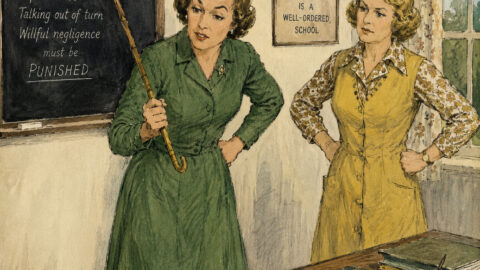
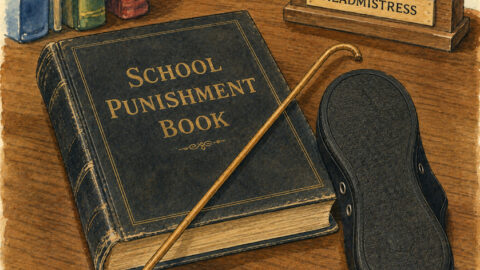
Experiences varied enormously depending upon the school, the decade, and perhaps most importantly, the individual teacher.
Several former pupils recalled strict female primary school teachers who regularly disciplined children in full view of the class. One teacher became particularly well known for leading pupils to the front of the room before administering punishment. Listening to classmates cry, whether friends or not, proved upsetting for many children.
Boys generally found themselves punished more frequently, although girls were by no means exempt. Their punishments often carried an additional element of embarrassment because they were administered while wearing skirts, making the experience feel particularly public.
Many contributors expressed relief that later generations of children no longer had to witness such scenes.
Discussion also turned towards the teachers themselves. Some former pupils believed there was a connection between a teacher’s age and their willingness to use corporal punishment. Older teachers, raised in an era when physical discipline was widely accepted, often seemed more inclined to continue the tradition within their own classrooms.
Others disagreed completely.
Some remembered relatively young teachers who were perfectly prepared to use the slipper or cane whenever they felt it necessary. One contributor even suggested that the most severe punishment he ever received came from the youngest female teacher who taught him.
These contrasting memories illustrate how difficult it is to draw firm conclusions. School discipline was shaped not only by official policy but also by the personalities, beliefs, and experiences of individual teachers.
Many former pupils also reflected upon changing attitudes among parents. During the period concerned, complaints about school punishment were relatively uncommon. Parents generally accepted that teachers would maintain discipline as they saw fit, and many children hesitated to complain at home for fear of receiving another punishment there as well.
Looking back today, most contributors agreed that schools have rightly moved towards alternative methods of discipline. While memories of the classroom remain fascinating from a historical perspective, few expressed any desire to see corporal punishment return.
Perhaps the most revealing question of all remained the simplest one.
Did watching classmates being punished cause lasting distress?
The answer appears to depend entirely upon the individual. For some, those memories remain among the most uncomfortable moments of childhood. Others became accustomed to them simply because they were woven into the daily routine of school life.
Together, these recollections paint a vivid picture of a very different educational world—one in which discipline was not only experienced by those receiving punishment but also by every child quietly watching from their seat, learning lessons that extended far beyond the classroom curriculum.