There are few places in England more self-contained than the traditional boarding school.
Behind high brick walls and beneath weathered chapel towers, generations of boys have grown from uncertain eleven-year-olds into confident young men, rarely leaving the school grounds except during holidays. For many, the school became more than a place of learning. It was home, workplace, church, sporting arena and, at times, battlefield.
To outsiders, the schools appeared timeless.
To those inside them, change was beginning to stir.
The day started before sunrise.
A bell echoed through long corridors lined with polished oak doors. Within moments, dormitories came alive with the familiar chorus of footsteps, shouted warnings and hurried dressing.
House prefects moved from cubicle to cubicle ensuring no one remained beneath the blankets.
“Hurry up!”
“You’ll be late for roll call.”
Within minutes the silence of the night had disappeared completely.
Cold water splashed into enamel basins.
Beds were inspected with military precision.
Blankets were folded square.
Shoes were aligned beneath bedsteads.
Anything less than perfect attracted immediate attention.
Some housemasters inspected every dormitory personally.
Others relied upon senior boys whose authority carried almost as much weight.
For the youngest newcomers, it was an intimidating introduction to boarding life.
There was little sympathy for homesickness.
Letters from home were treasured possessions.
Many boys counted the weeks until half-term.
Breakfast arrived with remarkable efficiency.
Hundreds of boys entered the dining hall wearing identical jackets, polished shoes and school ties.
Conversation was permitted only after grace.
The older schools retained customs stretching back generations.
Latin prayers echoed beneath vaulted ceilings.
Portraits of former headmasters watched silently from dark-panelled walls.
Silver trophies reflected the morning sunlight.
Even breakfast carried its own rituals.
Toast appeared in wire racks.
Large teapots travelled the length of wooden tables.
Porridge, eggs and bacon fuelled a day that rarely finished before evening.
Housemasters believed routine built character.
Every minute possessed a purpose.
Lessons began promptly.
Classrooms smelled faintly of chalk dust, polished desks and well-thumbed textbooks.
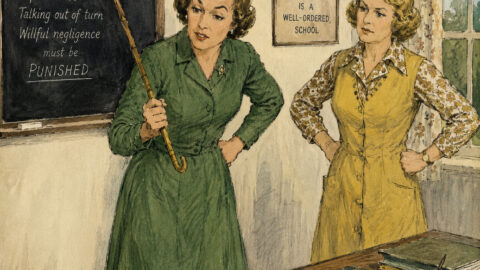
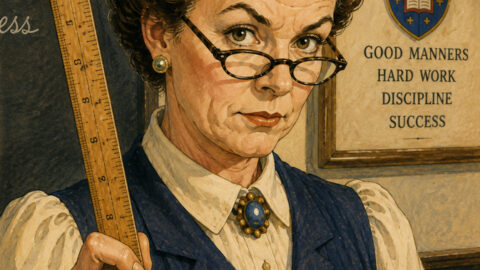
Masters expected complete attention.
Pupils stood when spoken to.
Answers were expected immediately.
Excuses rarely succeeded.
The teaching itself was often outstanding.
Many masters possessed remarkable scholarship.
History became vivid.
Literature came alive.
Chemistry demonstrations fascinated entire classes.
The best teachers inspired lifelong curiosity.
Others ruled almost entirely through fear.
No boy could predict which mood might greet the class on any particular morning.
Homework was never described as optional.
Exercises filled neat blue exercise books.
Mistakes were corrected in red ink.
Untidy handwriting drew criticism almost as quickly as incorrect answers.
The pursuit of excellence was relentless.
Few questioned whether pressure might become excessive.
That was simply how schools operated.
Parents generally approved.
They had often experienced similar education themselves.
Discipline formed part of everyday life.
Not every offence resulted in punishment.
Most were dealt with by stern words or additional work.
Detentions occupied many afternoons.
Extra lines filled countless exercise books.
Privileges disappeared without ceremony.
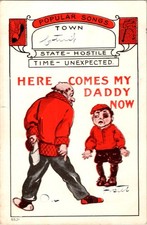
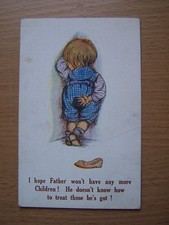
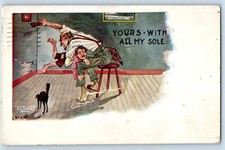
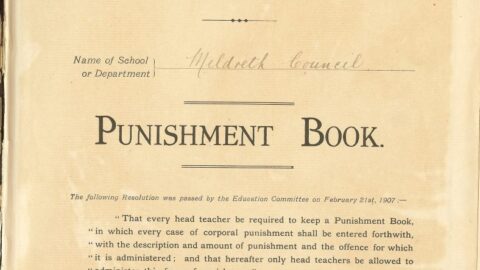
Yet corporal punishment still remained part of the educational landscape.
Few schools spoke openly about it.
Even fewer advertised it.
Nevertheless, everyone understood the rules.
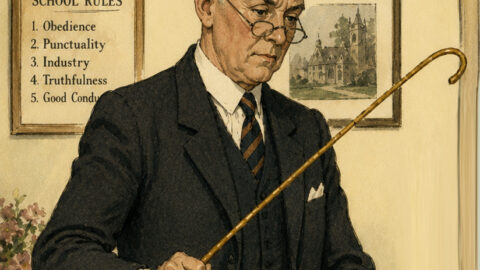
A visit to the headmaster’s study rarely brought good news.
The school cane, usually kept out of sight, represented authority more than anger.
Most boys hoped never to encounter it.
Many never did.
Others remembered the experience for years afterwards.
Masters insisted punishment should be measured rather than emotional.
Supporters believed certainty mattered more than severity.
Critics quietly wondered whether fear truly produced better scholars.
The debate rarely extended beyond private conversations.
Public opinion still largely favoured strict discipline.
Boarding houses possessed their own unwritten laws.
The prefects occupied an unusual position.
They remained pupils.
Yet they exercised considerable authority.
They supervised prep.
Maintained order.
Reported misconduct.
Organised younger boys.
Some earned enormous respect.
Others enjoyed authority a little too much.
Housemasters watched carefully.
Even so, much of boarding life unfolded beyond adult observation.
Friendships formed quickly.
Nicknames appeared almost overnight.
Rivalries between houses became fierce.
Inter-house competitions carried tremendous importance.
Victory in rugby, cricket or rowing could define an entire year.
Weekends offered little opportunity for idleness.
Saturday lessons survived in many schools.
Sport occupied the afternoon.
Parents lined touchlines wrapped in heavy coats against the English weather.
Rain seldom cancelled fixtures.
Mud became part of the uniform.
Rugby jerseys returned stained almost beyond recognition.
Cricket whites eventually replaced them with the arrival of summer.
The playing fields represented another classroom.
Masters spoke constantly about courage.
Perseverance.
Team spirit.
Winning mattered.
Character mattered even more.
Sunday slowed the pace.
Chapel remained compulsory.
The organ filled ancient stone buildings with hymns familiar to generations.
Even boys with little religious conviction found comfort in the ritual.
The week paused.
Letters were written home.
Shoes were polished.
Uniforms prepared for Monday.
For a few precious hours the relentless timetable eased.
By the early 1970s, however, familiar traditions faced growing scrutiny.
Educational experts questioned whether unquestioning obedience encouraged genuine learning.
Psychologists discussed adolescent development with increasing confidence.
Parents who had once accepted every school rule began asking awkward questions.
Was discipline always fair?
Could respect exist without fear?
Should senior boys wield such authority?
The old certainties no longer appeared quite so certain.
Some schools adapted quickly.
Housemasters became more approachable.
Counselling replaced punishment in some circumstances.
School councils gave pupils a voice previously unknown.
Masters who once depended upon intimidation discovered conversation often achieved better results.
Not everyone welcomed the changes.
Traditionalists feared standards would decline.
They argued that discipline, uniformity and respect had produced generations of capable leaders.
Remove those foundations, they warned, and schools would lose their identity.
Reformers replied that authority needed understanding as well as obedience.
The argument echoed through staff common rooms across the country.
The boys themselves occupied the middle ground.
Most appreciated fairness.
Few objected to high expectations.
What they remembered most vividly, years later, was not necessarily punishment or examinations.
Instead they recalled friendships.
Shared laughter after lights out.
The excitement of school matches.
Secret midnight feasts.
Winter mornings wrapped in mist.
The reassuring sound of familiar voices echoing through ancient corridors.
Boarding school was never simply about rules.
It was a community.
Demanding.
Competitive.
Occasionally unforgiving.
Yet capable of creating loyalties that endured for decades.
As England entered a new decade, those communities stood on the threshold of change.
The buildings remained unchanged.
The chapel bells still rang.
House colours still inspired fierce pride.
But quietly, almost unnoticed, a different philosophy of education was beginning to take root.
The question facing every boarding school was no longer whether tradition should survive.
It was how much tradition could survive while preparing boys for a changing world.