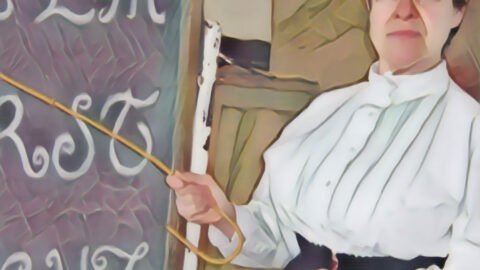
There was a certain rhythm to American schools in those days—a rhythm of chalk dust, polished hardwood floors, the morning bell, and rules that were expected to be followed. In many parts of the country, the wooden paddle stood as the unmistakable symbol of school discipline, and few students doubted that some principals and teachers were prepared to use it.
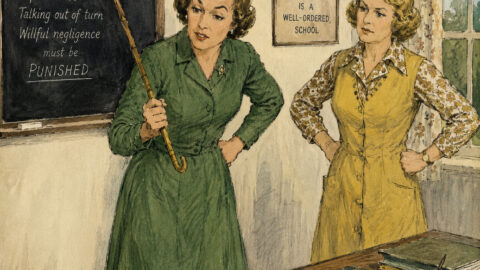
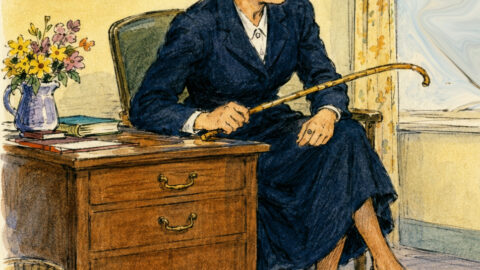
Looking back, I often think about Ms. Preston. Before administering a paddling, she would quietly slip off her high heels. At the time, it made the room seem even quieter. Years later, I wondered if it was simply practical—perhaps to keep her footing or avoid turning an ankle. Others believed she felt steadier in her stocking feet. Whatever the reason, the gesture carried a message all its own: she intended to handle the matter without hesitation.
Among my classmates was Lisa, the kind of student who seemed to glide through the halls with effortless confidence. She was athletic, well-liked, and admired by nearly everyone. I was the opposite—quiet, awkward, and content to keep to my small circle of friends. To me, Lisa belonged to another world.
She carried herself with the confidence of someone who seemed beyond consequences. Whether that confidence came from popularity or simply youthful certainty, I couldn’t say. But our classroom was one place where reputation mattered little. Ms. Preston believed every student answered to the same rules.
On the day Lisa was called forward, the room fell silent. She shifted uneasily at her desk, crossing and uncrossing her legs while waiting. The paddle, common in many American schools of that era, represented the final step after repeated warnings. There were no dramatic speeches—only the understanding that the rules applied equally to everyone.
The incident became one of those stories students remembered long after the school year ended. Whatever anyone thought beforehand, it was clear that Ms. Preston expected order, respect, and accountability from every student in her classroom.
For the remainder of the year, Lisa’s behavior changed noticeably. She became far more careful about classroom conduct and seldom tested the limits again. Whether it was maturity, experience, or simply recognizing where the boundaries lay, she settled into a much steadier routine.
Another classmate, Cindy Doty, escaped paddling in Ms. Preston’s classroom but later found herself summoned to the principal’s office. I still remember sitting in science class when Principal Scroggins entered carrying the familiar wooden paddle. The room grew quiet as he looked toward Cindy and calmly asked her to come with him.
She turned pale before leaving the classroom. We didn’t see her again until later that day, and she appeared shaken by the experience. The story circulating among students was that she had been leaving campus during lunch without permission, a serious violation of school policy at the time. Whether every detail of the rumor was true, I never knew.
School discipline in those years often followed an unwritten progression. A teacher might overlook a first disruption with a warning, but a second act of open defiance could quickly lead to a trip to the office or, in some schools, a paddling. It was a system accepted by many communities, even though opinions about its fairness varied from family to family.
At a class reunion years later, memories of those days resurfaced. Lisa admitted she had never forgotten her encounter with Ms. Preston. Time had softened many memories, but not all of them. Like many former students from that era, she remembered the experience as one of the defining moments of her school years.
The decades have carried us all in different directions. Classmates built careers, raised families, and found their own paths. Yet whenever conversations drift back to those classrooms of the 1970s, one image returns with remarkable clarity: the polished paddle hanging in the principal’s office—a symbol of an educational era that has largely passed into history, remembered today as much for its strict discipline as for the lessons taught beyond the textbooks.