Children are remarkably adaptable.
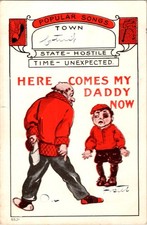
When a system of punishment becomes predictable, some children eventually learn not merely to fear it but to incorporate it into school life.
This is one of the more curious patterns running through these recollections.
Some former pupils describe laughing after being punished or pretending that the cane had not hurt. One recalled laughing after a stroke failed to cause much pain, only to receive additional strokes as a consequence. Another remembered putting on a brave face afterwards and laughing the experience off.
Here we see corporal punishment producing something rather different from submission.
It could become a contest.
The teacher wished to demonstrate authority; the pupil wished to demonstrate toughness.
Once that happened, punishment risked losing its original purpose.
Among friends, surviving the cane might even become a small badge of honour. A pupil could return to the classroom determined not to cry because tears would mean admitting defeat before classmates.
In such circumstances the disciplinary system might inadvertently reward precisely the sort of defiance it was supposed to discourage.
There are also recollections suggesting that punishment occasionally became associated with adventure.
One former pupil remembered corporal punishment almost as evidence that something exciting had happened at school. Others recalled repeated punishments with humour many years later.
Naturally, memories change with age. An adult laughing about an incident decades afterwards does not necessarily mean that the child found it amusing at the time.
Nevertheless, the accounts reveal an important weakness in punishment based principally upon pain.
Children do not all respond to pain in the same fashion.
One child may be frightened into obedience.
Another may become resentful.
Another may treat the punishment as the unavoidable price of breaking a rule.
And another may decide that showing no reaction is itself a victory.
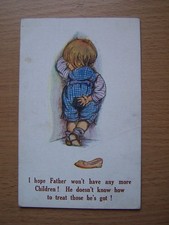
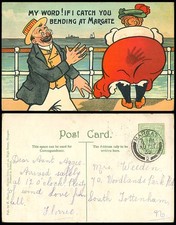
There are even recollections of pupils attempting to evade or reduce the effect of punishment, such as pulling a hand away or placing something beneath clothing before reporting for the cane or slipper.
The moment children began devising methods of defeating the punishment, the relationship between offence and consequence had changed.
Instead of asking, “Should I do this?”
the child might instead be asking,
“Can I get away with it?”
That is not quite the moral lesson the punishment was intended to teach.