When School Discipline Meets the Criminal Law
The difference between lawful punishment and criminal assault was not always easily established.
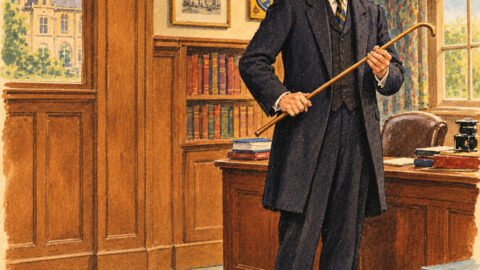
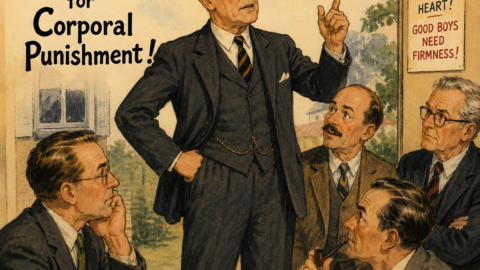
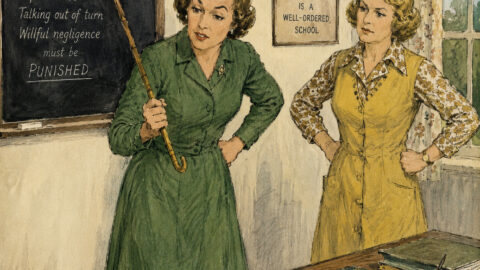
The question of whether a schoolmaster could be prosecuted for excessive corporal punishment has long exercised lawyers, educationalists and parents.
In the 1960s, corporal punishment was lawful in British schools, provided it remained within the limits then recognised by law.
Teachers acting in place of parents possessed certain disciplinary powers, but those powers were not without restrictions.
The difficulty lay in deciding what amounted to reasonable punishment.
A few strokes of the cane, administered for a serious breach of school discipline, might have been regarded by many people as perfectly acceptable.
But a punishment causing significant injury was another matter.
The law distinguished between different degrees of assault, including assault occasioning actual bodily harm and the more serious offence of grievous bodily harm.
Whether a particular punishment constituted a criminal offence depended upon the circumstances, the nature of the injuries and the legal standards applicable at the time.
One contributor to the subsequent debate argued that the police should have been informed immediately.
A child, he maintained, did not require parental permission to report a suspected crime.
The principle was an important one.
If children could complain of criminal acts only with the approval of their parents, those subjected to violence within their own families might find themselves without protection.
Another commentator suggested that the matter should initially have been dealt with privately.
The boy’s father, he argued, might have approached the headmaster and demanded an explanation.
If dissatisfied, he could have taken the complaint to the chairman of the school governors.
Only if those efforts failed would more formal action become necessary.
This was an approach which would have appealed to many respectable families of the period.
There was considerable reluctance to involve the police in disputes concerning schools.
The reputation of the establishment mattered.
So, too, did the future prospects of the pupil.
A boy whose parents publicly accused a headmaster of misconduct might find himself regarded as a troublemaker, even if his complaint was justified.
Teachers might become less sympathetic. Fellow pupils might take sides. The family could acquire a reputation for being difficult.
Such considerations were not necessarily fair, but they reflected the attitudes of the time.
There was also the question of evidence.
A doctor’s examination, statements from witnesses and a clear account from the injured pupil would all have been important.
Without them, a prosecution might prove difficult.
Nevertheless, the central principle remained.
A headmaster’s position did not place him above the criminal law.
If punishment crossed the legal boundary into assault, the fact that it had occurred within a school did not automatically excuse it.
And so the debate continued.
Should the parents have accepted the apology?
Should they have complained to the governors?
Or should the headmaster have been required to explain his conduct before a magistrate?
For some, the apology was sufficient.
For others, it was an admission that the punishment had gone too far.