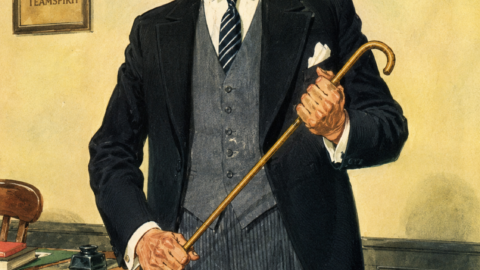
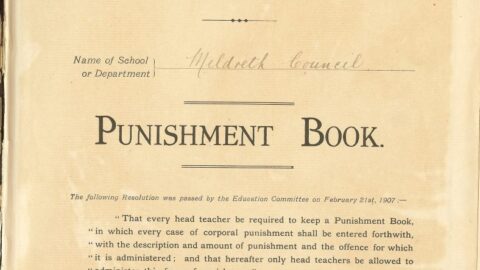
Supporters of the old arrangement maintained that its importance rested less upon punishment itself than upon the authority which prefects represented.
An interesting contemporary defence came from a correspondent associated with Repton School. He argued that discipline in the traditional public school depended largely upon its moral and social effect. The possibility of punishment, he maintained, meant that it seldom needed to be employed.
This was very much the traditional public-school argument: authority worked because everybody knew it existed.
Critics, however, raised an obvious objection. Was it desirable for adolescents to possess such considerable authority over younger pupils?
That question became increasingly important as educational and social attitudes altered during the 1960s.