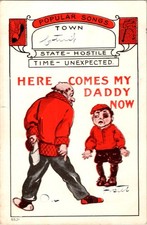
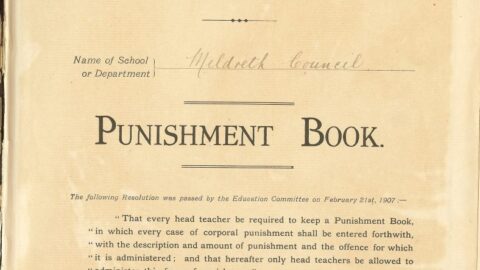
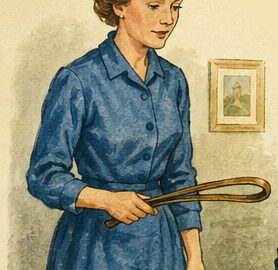
During much of the 20th century, corporal punishment formed a routine part of discipline in many schools across Britain. Practices varied from one region to another, but in some areas pupils could expect to receive physical punishment for offences ranging from minor classroom disruption to more serious breaches of school rules. Looking back today, these methods are often viewed as products of a very different educational culture, one in which maintaining discipline was frequently considered more important than understanding the emotional or psychological impact on children.
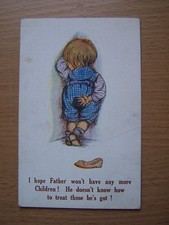
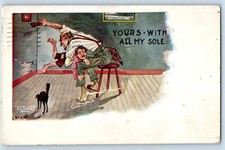
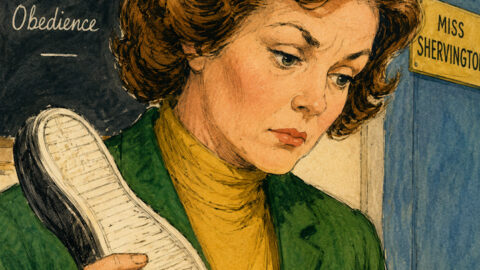
One possible explanation for the acceptance of some school punishments lies in domestic life during the same period. In many households, parents commonly used everyday objects, such as a carpet slipper, to discipline their children. For pupils growing up in these environments, receiving punishment at school using a similar implement may have seemed an extension of what they experienced at home. School equipment, however, was often designed specifically for punishment and was considerably heavier and more severe than ordinary household items.
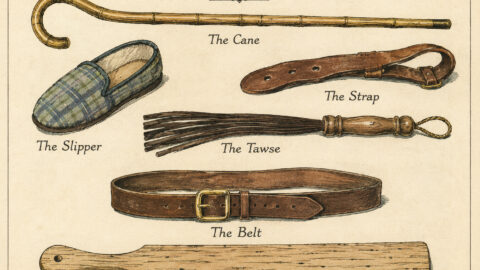
While a gym shoe was used in some schools and could produce a sharp, stinging sensation when applied with force, many former pupils regarded the tawse as a far more painful instrument. The tawse, widely associated with Scottish schools, was a thick leather strap that typically measured around 24 inches in length and ended in two split tails. Constructed from exceptionally stiff leather, often around 8 millimetres thick, it was designed to deliver maximum impact.
When administered by an experienced teacher, the tawse generated considerable force. Swinging it over the shoulder created high speed at the ends of the twin tails, with the final few inches striking across the open palm in a fraction of a second. The result was an intense, searing pain that many recipients remembered decades later. Former pupils frequently recalled that the blow seemed to take their breath away, leaving them momentarily unable to think or speak.
The immediate reactions were often unmistakable. Children instinctively hopped from foot to foot, shook the injured hand vigorously, cupped it and blew on the palm in an attempt to ease the burning sensation, or held it tightly against their chest while clenching their teeth. Sharp cries of pain, deep intakes of breath, panting, watering eyes and tightly closed fists were common sights immediately after a punishment had been administered. Although the visible discomfort usually subsided after several minutes, many recalled that the throbbing pain lingered long afterwards.
Corporal punishment was generally administered individually for specific offences, but there were occasions when entire groups of pupils were punished together. Collective punishment reflected the belief held by some schools that shared responsibility would discourage disorder and reinforce discipline throughout the student body.
One striking example occurred during the late 1960s following a disturbance in a school dining hall. What began with a few pupils throwing food rapidly escalated until much of the hall was involved, creating a noisy and chaotic scene. The teacher supervising the lunch period found the situation impossible to control and requested assistance from the senior leadership.
The headteacher arrived promptly, accompanied by four members of staff. After restoring silence, the pupils were instructed to line up in orderly rows. Rather than identifying those directly responsible for starting the disturbance, every pupil present was required to pass before the assembled staff, each receiving corporal punishment before being dismissed to the playground. Contemporary estimates suggest that approximately 120 pupils were punished during this single incident. Such episodes illustrate how discipline at the time often prioritised restoring order swiftly over determining individual responsibility.
Another example of large-scale corporal punishment occurred at a school in Buckie, Aberdeenshire. On that occasion, more than one hundred pupils were punished after being found outside the area where they had been authorised to be. Although not every child may have played an equal part in the rule-breaking, the school treated the incident as a collective disciplinary matter, reflecting educational attitudes that were still common in parts of Britain during that era.
From today’s perspective, incidents of mass corporal punishment appear severe and disproportionate. Modern educational practice places far greater emphasis on safeguarding, proportionality and individual accountability, with physical punishment now prohibited in schools across the United Kingdom. Nevertheless, these historical accounts provide valuable insight into the disciplinary methods once regarded as acceptable and illustrate just how dramatically attitudes towards children’s welfare, classroom management and education have changed over the past half-century.
It is also worth noting that teachers who administered corporal punishment reflected the composition of the profession at the time. In many primary schools, women formed the majority of teaching staff, while men were more commonly found in senior leadership or certain subject areas in secondary education. Overall, an estimated balance of around 80% female teachers and 20% male teachers provides a realistic representation of the teaching workforce in many schools during the latter half of the 20th century, although this varied by region and school type.