Childhood memories have a curious quality.
An ordinary summer afternoon, scarcely noticed at the time, may remain vivid for half a lifetime.
We remember the smell of newly cut grass, the creaking branches of an old apple tree, the canvas roof of a garden tent and the distant voice of Mother calling everyone indoors for tea.
We remember our friends, our quarrels, our secret clubs and the elaborate games that seemed so important.
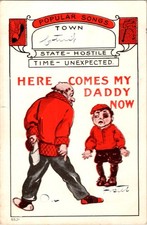
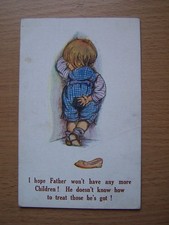
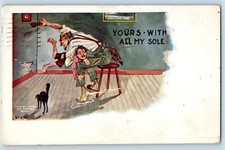
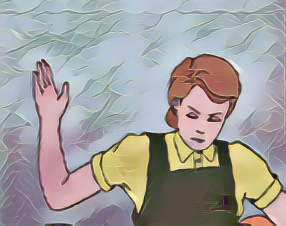
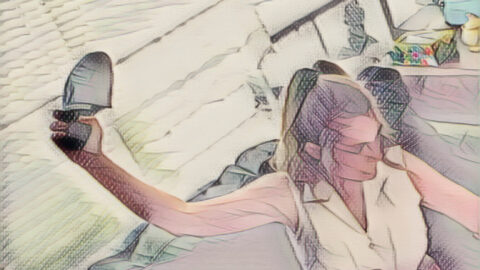
For some children growing up in post-war Britain, those memories include playing schools and mothers and fathers, with the slipper and cane appearing among the many symbols of grown-up authority.
The accounts gathered for this article suggest that such games were by no means confined to one neighbourhood or one particular group of children.
They occurred in gardens, garages, orchards, playgrounds and boarding-school surroundings.
Sometimes the children were simply copying the behaviour of teachers and parents. Sometimes they were testing the boundaries of their own authority. Sometimes the games became uncomfortable or harmful.
Looking back from the perspective of the 1970s, it is tempting to regard the whole business as another quaint feature of childhood in a supposedly simpler age.
But simplicity should not be confused with innocence.
Children have always been capable of remarkable kindness and extraordinary imagination. They have also been capable of thoughtlessness, especially when one child is given power over another.
Perhaps the most interesting aspect of these recollections is how faithfully children reproduced the adult world.
They did not merely pretend to teach lessons or prepare meals. They recreated the rules, expectations and punishments they had observed.
The old carpet slipper, the imaginary cane and the stern voice of the make-believe headmistress were all borrowed from the society around them.
Today, we might encourage children to play schools with registers, spelling tests, gold stars and detentions, leaving physical punishment firmly outside the game.
Yet the recollections remain valuable as a small piece of social history.
They remind us that childhood games are rarely invented in isolation. They reflect the customs, beliefs and behaviour of the generation that raises the children.
And perhaps that is the real lesson of these long-remembered summer afternoons.
When children play at being grown-ups, they often show us more about the grown-up world than we might care to admit.